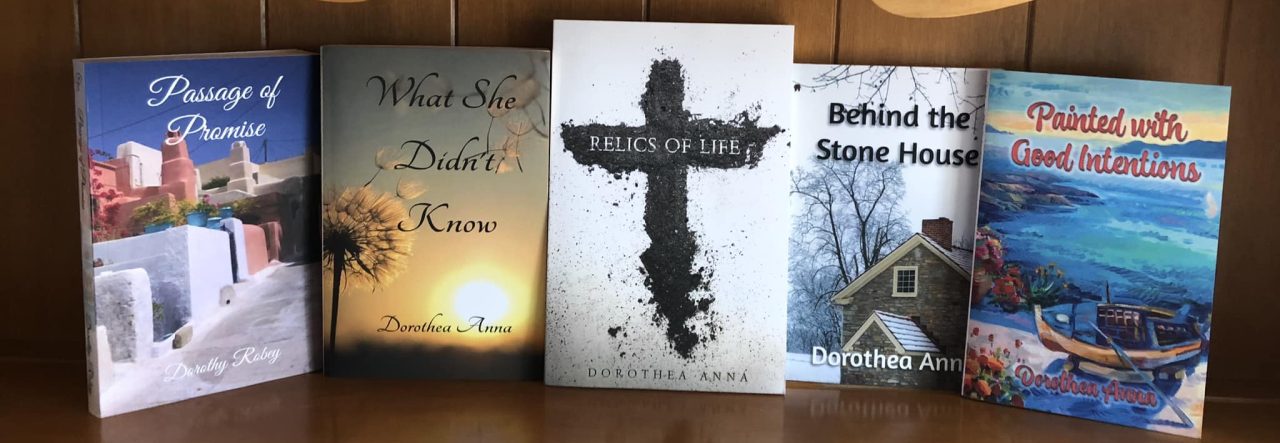

In my writing as an Orthodox Christian, I try to show the human condition or human struggle of my characters and in some circumstances, use mild profanity that fit the particular characters’ personalities, mild violence, and mild expositions of past erroneous sexual relationships. These are included in some of my books to show the life of the main character at the beginning of her/his journey in the book, and then the transformation of the character at the end of the story. Character growth and journey is a tenet of fiction writing.
It is my belief that adult Christian novels/short stories should not be completely sanitized as many Christian publishing companies expect. There are examples of stories written by Christians that aren’t reduced to a simplistic, Pollyanna-ish storyline (which causes the reader to beg for something deeper and more substantial). Having said that, I am not advocating for the other extreme–raunchy, gory, in-the-gutter writing in Christian fiction.
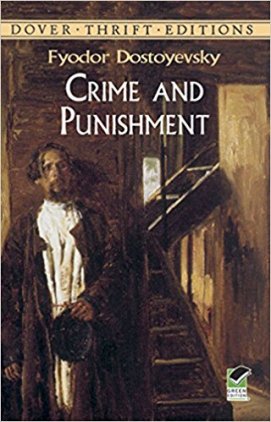
A couple of novels come to mind when thinking of stories of the human condition, struggles, and redemptive qualities. One is Dostoevsky’s works, especially The Brothers Karamazov. The two brothers that stood out were a Christ-like individual named Alyosha and an angry agnostic individual called Ivan (Christianity Today). The author did not hide unpleasant circumstances in his characters’ lives, which is also apparent in his novel, Crime and Punishment, but there are Christian themes laced in the stories that are profound and have so much substance you could bite into them.
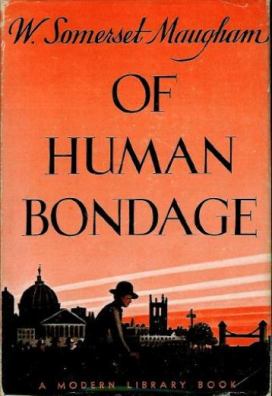
The second example is not written by a Christian, but the author, Somerset Maugham, wrote stories of the human condition, struggle, and redemptive qualities in a few of his books, most notably, his best-known novel, Of Human Bondage. A short, one-sentence synopsis of this story: Orphaned as a child and taken in by his uncle and aunt, Philip Carey journeys through life encountering a painful obsession with a troubled woman, hapless artistic endeavors, and poverty, to ultimately discover who he truly is. The character experienced childhood affliction, pain, bondage, failure, and eventually hope in career and love. This is my interpretation of the story. Others may see it somewhat differently.
Thus, my examples show a Christian writer and a nonChristian writer, that both show the universal importance of the human condition, suffering, and transformation in some aspect of their characters’ lives. There is violence in Crime and Punishment, and there are sexual situations in Of Human Bondage (but not explicit), and these books were considered and are still considered great works, especially Dostoevsky.
Pain, suffering, and passing through it is a part of human existence on this planet. And if you’re a Christian and have taken up your cross to follow Christ, you know this. We Christians have gone and will go through this because we have to pass through the Cross before we can get to our eventual resurrection, God willing. Therefore, I believe it’s imperative to show these aspects of human life in Christian-themed novels and short stories, and should then be permitted to contain mild profanity, sexual circumstances, and violence as it pertains to the characters and the storyline respectively to show transformation, growth, and redemptive outcomes. Creating stories with these components makes the characters and their experiences more authentic and realistic in fiction books.
My Christian readers of my blog, how do you see this issue? Please share your thoughts below.
Works Cited
“Fyodor Dostoevsky: Russian novelist of spiritual depth.” Christianity Today. http://www.christianitytoday.com/history/people/musiciansartistsandwriters/fyodor-dostoyevsky.html. Accessed 27 November 2017.


 Modest Musings