Literary Humanness

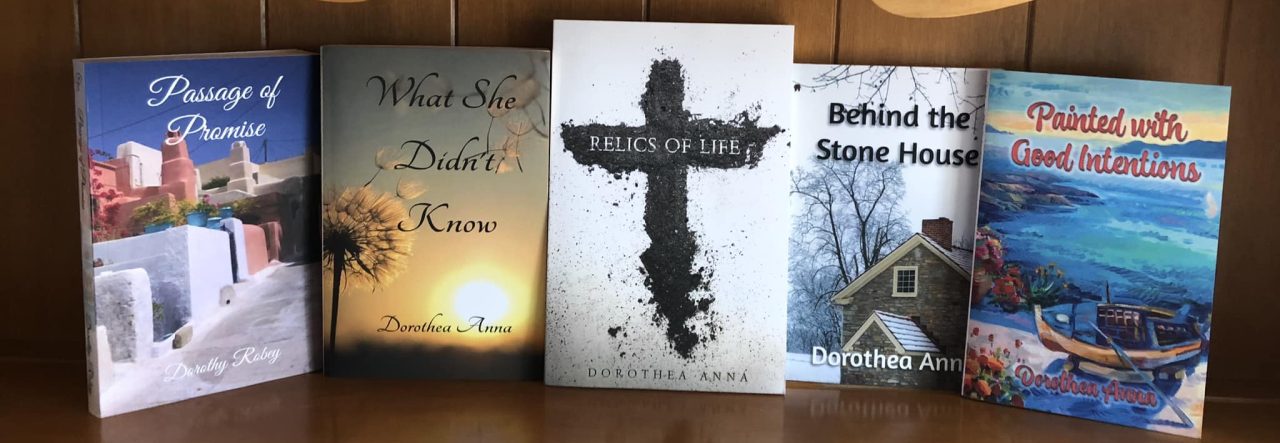
books and flowers

The literary package—reading, writing, and analyzing literature—is quite crucial in the life of not only a writer, but also a reader and a student studying to become a good fiction writer (or creative non-fiction, screenwriter, etc.).  When we authors write our creative fiction works, it is a sole project in which we delve into our own minds filled with images, ideas, strings of words and sentences, and the bellowing of our carved-out characters.  But in essence, once our work is out there in print and ebook, we connect with the readers, and ultimately humanity.

In writing my stories, I’ve always been drawn to human emotions, the human condition, and the light of hope, to which I weave into my creative works.  Creating fictional characters’ journeys in dealing with real life issues, their relationships with others, and how they get through conflicts and come to discovery and resolution, is something every human being can relate to because we’ve all gone through difficulties, joys, and sorrows in our lives.
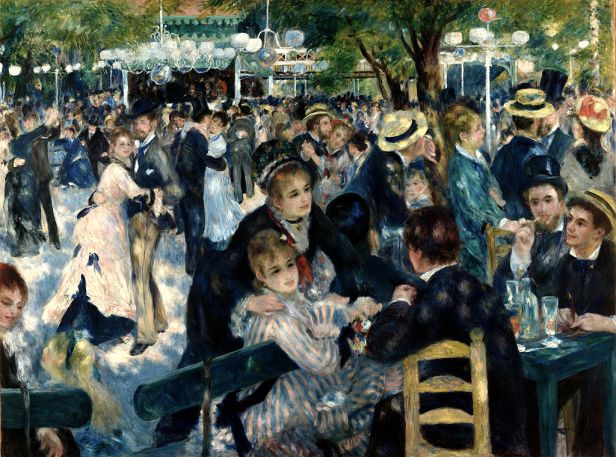
renoir dance pic

(Renoir’s Dance at Le Moulin de la Galette)

I don’t have a high self-esteem or much confidence in myself, even with the recent accomplishments in my writing this year. I still wonder if my writing is good enough.  But with all the things I’ve learned, it has only taught me I still have more to learn and that it is an ongoing process that will probably continue throughout the rest of my writing life.

Analyzing and reading the classic and modern stories I’ve read in World Literature, Fiction Writing Workshop, Intro to Creative Writing, Shakespeare, Romantic Literature, Nonfiction Writing Workshop, and most recently, British Literature, have helped me in structuring my novels in the proper manner for the character arc, and appreciate a deeper understanding of the characters.  Delving deeper into the characters revealed the utter humanness of them, their flawed selves, broken and fragile, and I think how brilliant the authors were in creating such compelling characters and their stories.  For example, the most recent paper I wrote was on Mary Shelley’s novel, Frankenstein. The character of Victor Frankenstein depicts clearly the brokenness of human beings.  And through Frankenstein’s and other fictional characters’ choices they make, cause either joy or sorrow and success or ruin for them.

frankenstein outside darkness

Literature also helps us to understand people who have different perspectives than our own, by stepping into these characters’ minds, lives, cultures, watching them deal with their bad habits, and struggles with relating to others.

Having relationships with others makes us truly human. And I believe that’s really the central struggle and most difficult endeavor for many human beings (me for sure!  Introvert here) in this life.  Generally speaking, it’s easier for us to have relationships with and love our pets than other people.  But it is through communion with other people that we become whole.

It is my hope that my writing touches the hearts of my readers (hopefully I’ll have some when my books are published!) and that they feel inspired and satisfied when they are done reading my works.

In wrapping up this blog post, I wish and pray for continued striving and success for all of us writers because writing is one hundred times harder than we thought when we first started out in the craft.


~*~*~*~


Reading Your Manuscript Out Loud

sparkly book

Eureka!  What a difference reading your manuscript out loud is compared to reading it to yourself!  I bet you already do this, but for me, I’d read a few paragraphs here and there, but never the whole novel.  Well, that’s what I’m doing as of yesterday and today and tomorrow, and it is amazing!

Reading my sentences and dialogue aloud has helped me to hear how natural the dialogue is and how the words flow in my text.  I was pleasantly surprised how 98% of it already sounded great before I inserted my final revisions.  After I’m done, I’ll be sending it back to my editor for a final scan.  Then, it’ll be all polished up and set for submission, and if it’s not accepted, it will be self-published.

Share with me if you practice reading your stories out loud.  If this is a regular practice, what have you learned from it?


Finding The Inspiration To Write

finding peace

After a hiatus of nearly eighteen years (marriage and children—life), I began writing stories again in the fall of 2014 just before I started my first class at Southern New Hampshire University online. After reading the book, Of Human Bondage, by Somerset Maugham, the ideas of a story filled my mind, and this time, these ideas made it into words written in longhand on paper in a spiral notebook. And I succeeded in finishing this piece in a month or two. The story is in the genre of Young Adult/Children’s, and is about bullying and reconciliation. I then went on to write my first novel, followed by a few more short stories.

In 2015, I had another year of sporadic writing blocks via an online critique site I became part of while working on my novel. By the first couple of months of 2016, I wasn’t able to write as I had been. This happened because I had lost my voice, style of writing, and became overly concerned with the rules of writing and taking every feedback to heart. My writing had become flat, mechanical, and lifeless. It took me nearly another year to come back from that and discern the difference between a critique that pertained to what I needed to improve my story and one that was not relevant or useful to the storyline and my style of writing.

Since then, I’ve been continuing to edit my novel and short stories, but have picked up reading more fiction. This has helped me tremendously. Last week, I finished reading a Jodi Picoult novel that was superbly written with a profound and complex storyline. The ending didn’t tie up neatly in a pretty pink bow, but rather had me thinking about the decision the main character had made and left me wondering how that was going to work out for said character. Intriguing to say the least.

jodi picoult novel the storyteller

It was through reading this 400+-page novel in four days that spurred me to writing a new story, though lacking a clear plot or known ending (which was how I usually started writing–stream of consciousness). But in the past couple of days, the plot and direction of this new story has become clearer, and the writing I did on it last night and this morning gave me such joy and satisfaction. It was the kind of writing I’ve wanted to write but haven’t been able to since I wrote my novel in 2015, but this current story’s writing is superior to it, which makes sense if you are growing in your writing. And how exciting is that to know you can continue to hone your writing skills and become better and better the more you read and write?

I was created to create

I had heard from other writers more than once, the importance of reading a lot… “Read, read, and then read some more,” was basically the advice thrown out there in a Facebook writers’ group in which I’m a member, in the answer to questions on prompting yourself to write. Now that I have done this and seen the effects of this experience, I know the key to burgeoning ideas and perpetual writing of stories. Thank God! And believe me, I haven’t forgotten His loving guidance throughout this process.

As I plow through submitting the last twenty or so chapters of my first novel through my online critique group and prepare it for publishing this coming spring, I am feeling very good about my fate as a blossoming writer and soon-to-be official author. Life is good, and writing about it makes it even better.

~*~*~*~